
Short answer: You can open most standard padlocks non-destructively using basic picking tools, provided the lock lacks high-security anti-pick features. The deciding factor is whether the lock mechanism is a simple pin-tumbler or a complex high-security design; as of 2026, professional locksmiths typically charge less than the standard $50-100 door-lock service fee to open a simple padlock, making professional intervention often cheaper than replacing a damaged unit.
Most DIY guides bury the lead: they suggest you can “crack” any lock with a paperclip in seconds. That is rarely the case for anything beyond the cheapest hardware store locks. Before you start poking around, you need to understand that every lock is a puzzle designed to stop you. If you treat it like a brute-force problem, you will inevitably end up with a broken lock and a ruined day. This guide focuses on the mechanics of entry, not the destruction of property.
Understanding the Padlock
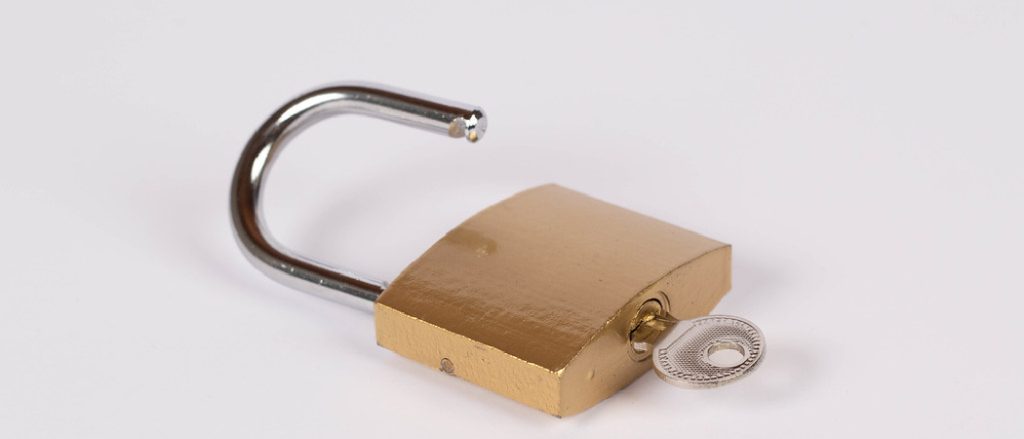
Padlocks vary significantly in their internal mechanisms, which dictates how easily they can be opened without a key. Most common padlocks, often found on sheds or gym lockers, use a simple pin tumbler or wafer mechanism. These are generally designed for convenience and moderate security, making them more susceptible to non-destructive entry methods like lock picking or shimming with basic tools. However, higher-security padlocks, such as those employing disc detainer mechanisms, magnetic pins, or complex dimple keys, are engineered to resist such attacks. These advanced designs require specialized tools and considerable expertise to open without causing damage, often making DIY attempts futile and potentially destructive.
If you are looking at a master-style padlock, you are likely dealing with a series of spring-loaded pins. When the key is inserted, it lifts these pins to a specific “shear line,” allowing the plug to rotate. If you do not have the key, your goal is to replicate that movement using a tension wrench and a pick. Most guides hand you a generic “wiggle it until it clicks” advice, but they skip the crucial step of identifying the “binding pin.” Without finding the pin that is holding the most tension, you are just scraping metal against metal, which will eventually damage the internal springs.
The Mechanics of Non-Destructive Entry
Non-destructive entry relies on the physics of tolerances—the tiny gaps between the pins and the cylinder walls that allow for manipulation. By applying light rotational pressure with a tension wrench, you create a slight misalignment that allows you to “set” one pin at a time. Once all pins are set, the plug rotates freely, and the lock opens exactly as if you had used the original key.
For those interested in the craft, our guide on lock picking tools breaks down the specific profiles needed for different keyways. It is important to note that as of 2026, the market is flooded with low-quality “practice” picks that can actually snap off inside the lock. If a pick gets stuck, you have effectively turned a non-destructive problem into a permanent, locked-shut disaster. Always use high-quality, tempered steel tools. If you feel excessive resistance, stop. You are likely pushing against a spring that isn’t ready to set, and forcing it will only bend the internal components, rendering the lock useless even if you eventually manage to turn the plug.
Tools Required for the Job
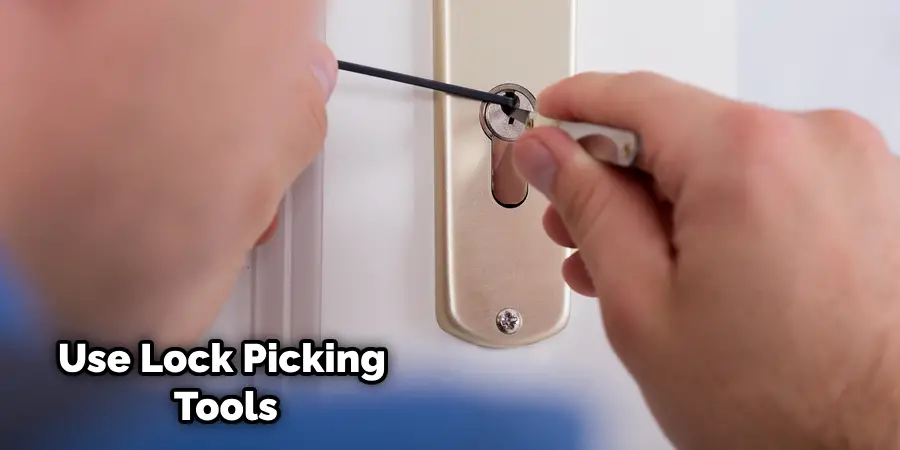
Success in non-destructive entry is 20% skill and 80% having the right tool for the specific keyway you are facing. For a basic pin tumbler, you need a tension wrench to apply torque and a rake or hook pick to manipulate the pins. A rake is generally faster for beginners, as it simulates the “bumping” motion of a key, while a hook is used for precision work on locks with security pins.
If you are dealing with a combination padlock, the toolset changes entirely. You don’t need picks; you need a feel for the “feedback” provided by the dial. Many combination locks have a “false gate” or a slight mechanical hitch that occurs when the internal wheels align. Professional locksmiths often use a thin shim or a stethoscope to listen for the subtle clicks of the wheels settling. As of 2026, many hobbyists utilize digital calipers to measure the shackle movement, which can sometimes reveal the combination through small gaps in the casing. This is a far more reliable method than the “guess and check” approach that most amateur forums suggest.
| Lock Type | Primary Method | Difficulty Level | Risk of Damage |
|---|---|---|---|
| Standard Pin Tumbler | Single Pin Picking | Low | Minimal |
| Combination Dial | Manipulation/Decoding | Medium | None |
| Disc Detainer | Specialized Tooling | High | High |
What Most Guides Miss About Lock Security
The most dangerous myth in the lock-picking community is that “any lock can be picked.” While technically true in a laboratory setting, it ignores the reality of modern manufacturing tolerances. Many mid-range padlocks now include “security pins”—spool or serrated pins that are specifically designed to catch your pick and give you false feedback. If you don’t know how to identify a false set, you will spend hours spinning your wheels on a lock that is effectively immune to basic raking.
Furthermore, as of 2026, we have seen a rise in “hardened” shackle designs that are resistant to shimming—the process of sliding a thin piece of metal between the shackle and the body. Most online tutorials still suggest using a soda can shim, but this method is largely obsolete on modern, quality-controlled padlocks. If you are struggling with a lock for more than 15 minutes, it is likely not a matter of your skill, but a matter of the lock’s design. At that point, you are better off calling a professional. Remember, as reported by industry experts, locks are not a 100% guarantee of safety; they are merely a deterrent. If you have lost the key to a high-security lock, the cost of a locksmith is often lower than the cost of the property you are trying to protect.
Step-by-Step Approach for Common Locks
When you are ready to attempt non-destructive entry, follow these steps with extreme patience. First, insert your tension wrench into the bottom of the keyway and apply very light pressure—no more than what you would use to hold a pen. Second, insert your rake or hook and feel for the pins. If you feel a pin that is stiff, that is your binding pin; push it up gently until you hear or feel a faint click.
If you are working on a combination dial, start by turning the dial clockwise at least three times to reset the internal mechanism. This is a standard procedure across most manufacturers, as noted in our guide on resetting padlock combinations. Once reset, slowly turn the dial and listen for the change in tension. If you are dealing with a key-based padlock, ensure the keyway is clean. Dirt and debris can mimic the feel of a set pin, leading you to believe the lock is more complex than it actually is. If you encounter a stuck pin, a small amount of graphite lubricant can often free it without damaging the internal springs, but avoid oil-based lubricants as they collect dust and will eventually seize the mechanism.
Frequently Asked Questions
Can I open any padlock with a paperclip?
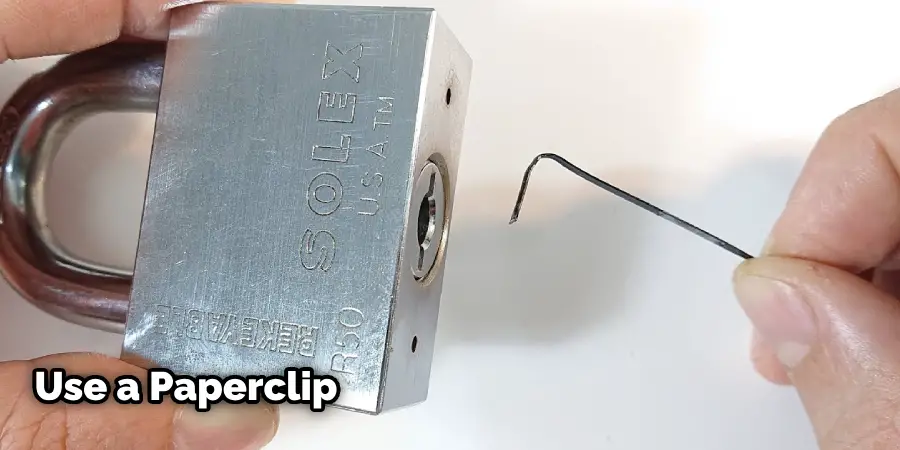
No, this is a common misconception. While a paperclip can technically manipulate a very simple, low-security pin-tumbler lock, most modern padlocks have tolerances that are too tight for the soft metal of a paperclip. Using improper tools often leads to the metal bending inside the lock, causing a permanent jam.
Is it legal to pick a lock I own?
Yes, it is generally legal to pick a lock that you own or have explicit permission to open. However, you should never attempt to pick a lock that does not belong to you, as this is considered illegal tampering or breaking and entering in many jurisdictions. Always ensure you have the legal right to access the locked item.
Why is my pick stuck inside the lock?
Your pick is likely stuck because you applied too much tension, causing the pins to trap the tool against the cylinder wall. To release it, stop applying tension to the wrench and gently wiggle the pick while pulling it straight back. If it remains stuck, do not force it, as you may snap the tip of the tool inside the keyway.
How do I know if my padlock has security pins?
You can often tell by the “feedback” you receive while picking. If you feel a pin set, but the plug rotates slightly and then stops, you have likely encountered a spool pin. This is a security feature designed to trick you into thinking the lock is open. You must apply slightly more tension and carefully manipulate the pin to bypass the security feature.
When should I stop trying and call a locksmith?
You should stop if you have been working on the lock for more than 20 minutes without success, or if you feel that you are forcing the tools. As of 2026, professional locksmiths have the specialized equipment to open locks without damage, and the cost of their service is usually cheaper than the cost of replacing a high-quality padlock or repairing a lock you have accidentally broken. If you have lost the key, check our guide on finding reliable locksmith services to ensure you hire a licensed professional.
Ultimately, the ability to open a padlock without a key is a skill of finesse rather than force, and for most standard pin-tumbler locks, a light touch with a tension wrench and a hook pick remains the most effective, non-destructive method available.